
Latest Articles

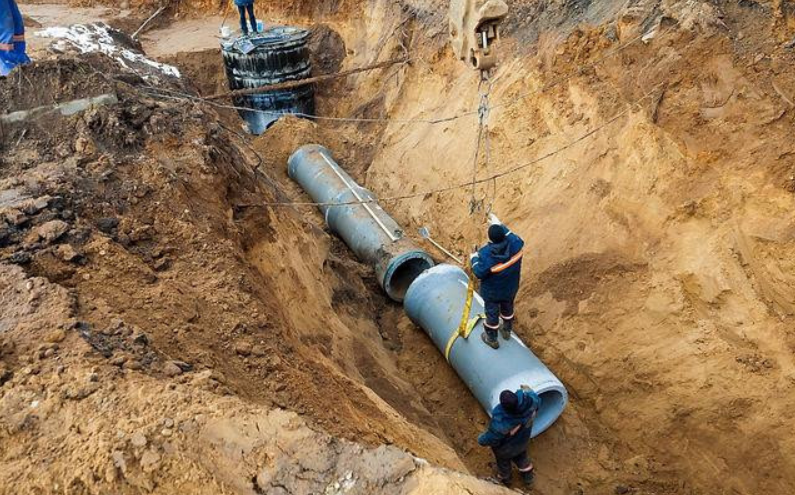
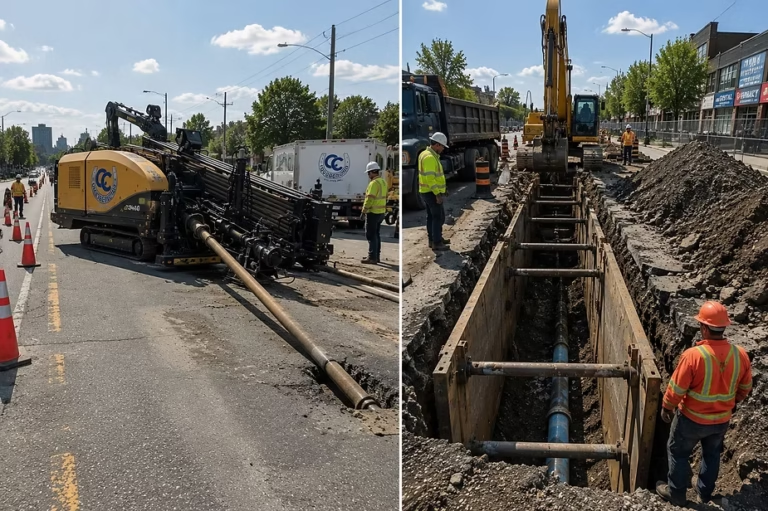
Trenchless vs. Open-Cut Construction in Municipal Tenders: How to Specify the Right Method

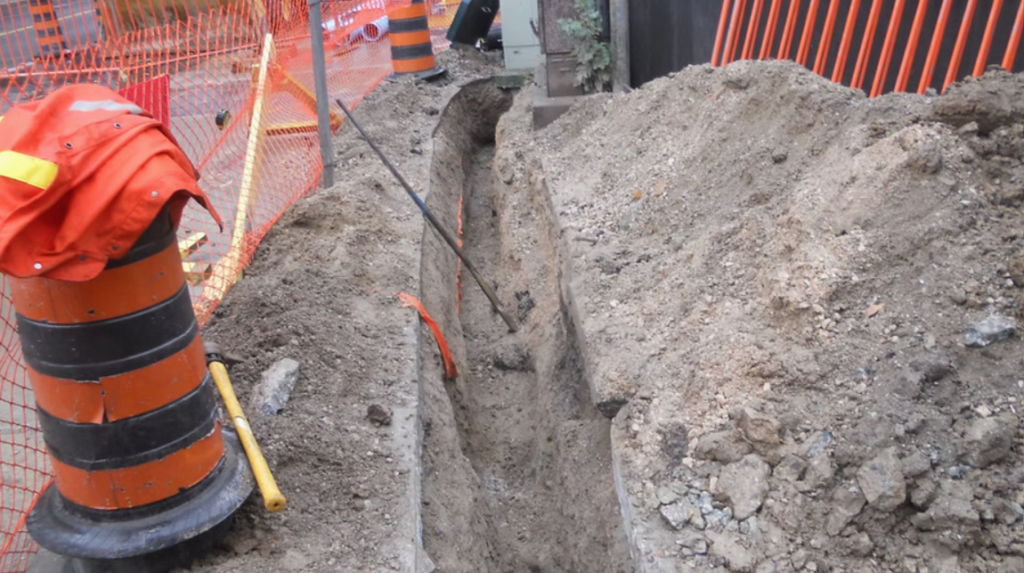
Trenchless vs open cut trenching is not a question of which method is better. It is a question of which method fits the site. On developed urban roads, crossings, and congested utility corridors, trenchless methods typically deliver lower total project cost because they eliminate the restoration, traffic control, and excess soil costs that inflate open-cut budgets. On greenfield sites with no pavement to protect, open-cut remains faster, simpler, and cheaper. The tender documents should force that analysis, not default to either method by habit. 

Nitika Sharma
Nitika Sharma Sep 30, 2026

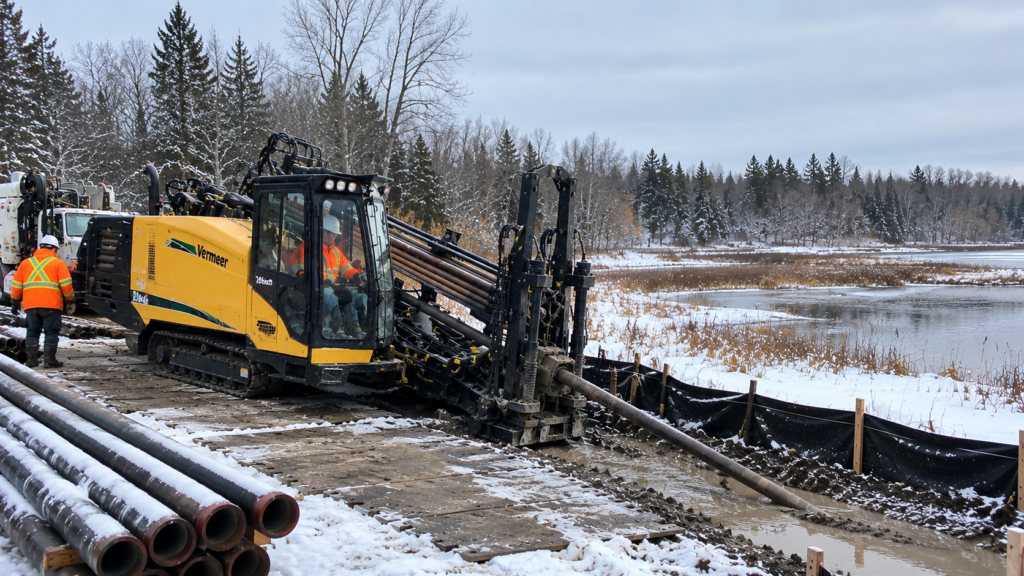
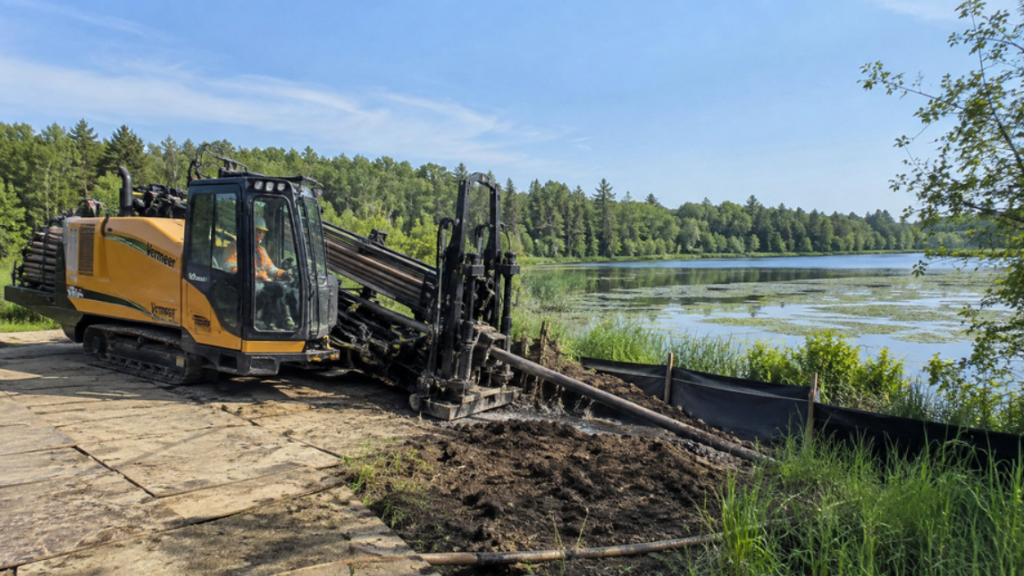
How Horizontal Directional Drilling Works: The 3-Stage HDD Process

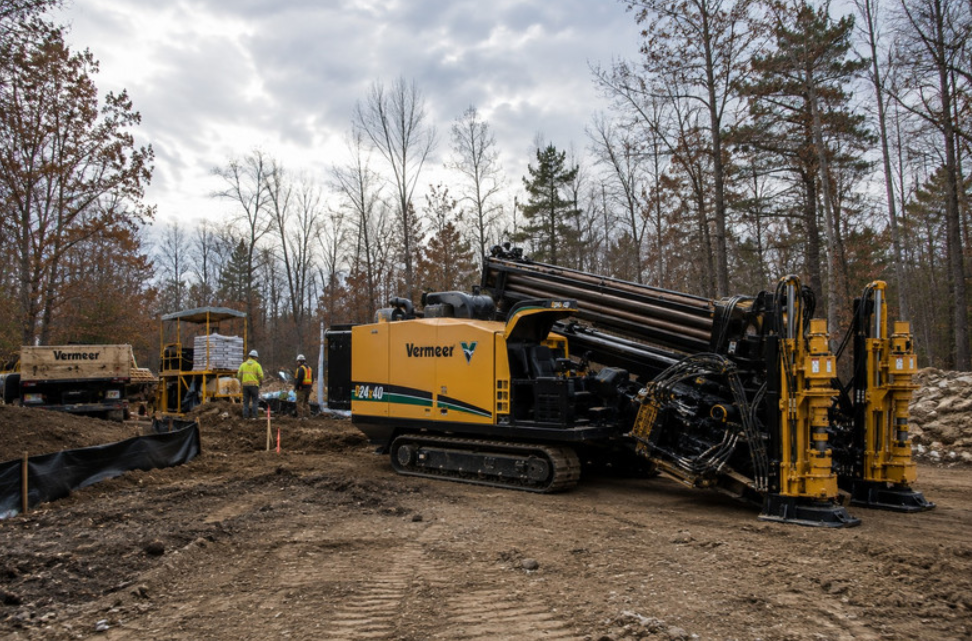
Horizontal directional drilling is a steerable trenchless method that installs new underground utilities by drilling a guided bore path beneath the surface and pulling product pipe through the completed hole. The process works in three stages: a steered pilot bore establishes the path, a remaining pass enlarges it to accommodate the product pipe, and a pullback operation pulls the pipe into position. The surface above the bore path remains intact throughout. 

Nitika Sharma
Nitika Sharma Sep 30, 2026

Something Broke. We'll Be There Today

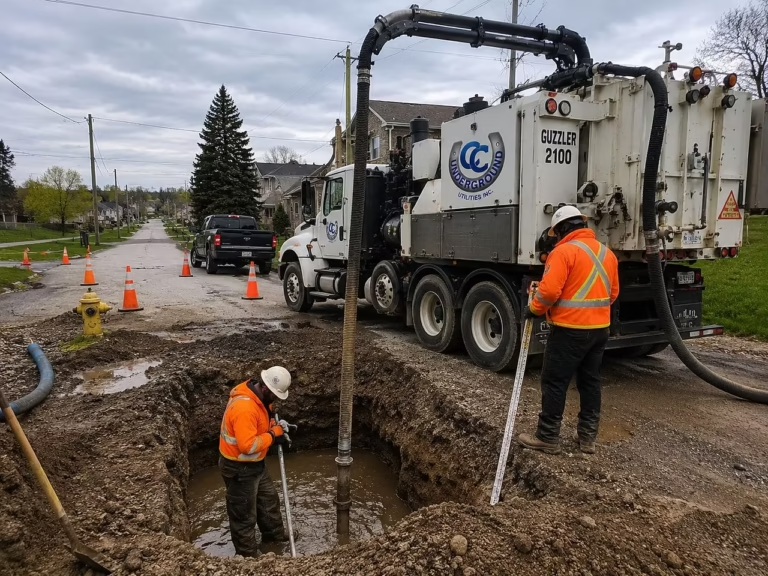
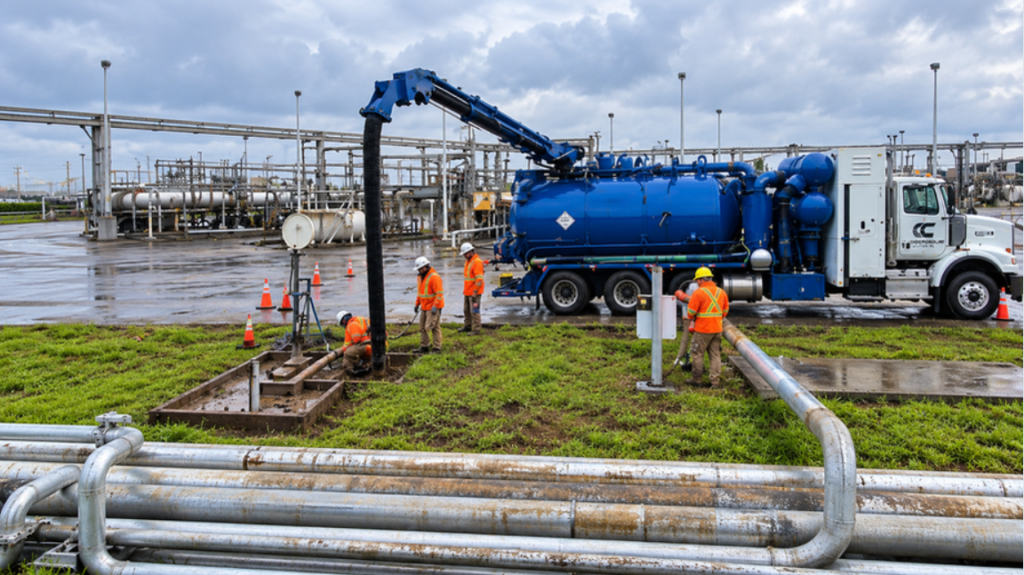
Watermain breaks, utility strikes, spills and washouts don't wait for business hours. Crews across Central Ontario mean we mobilize the day you call, with MOECP-registered spills response and operators who've handled it before.

Request a Quote