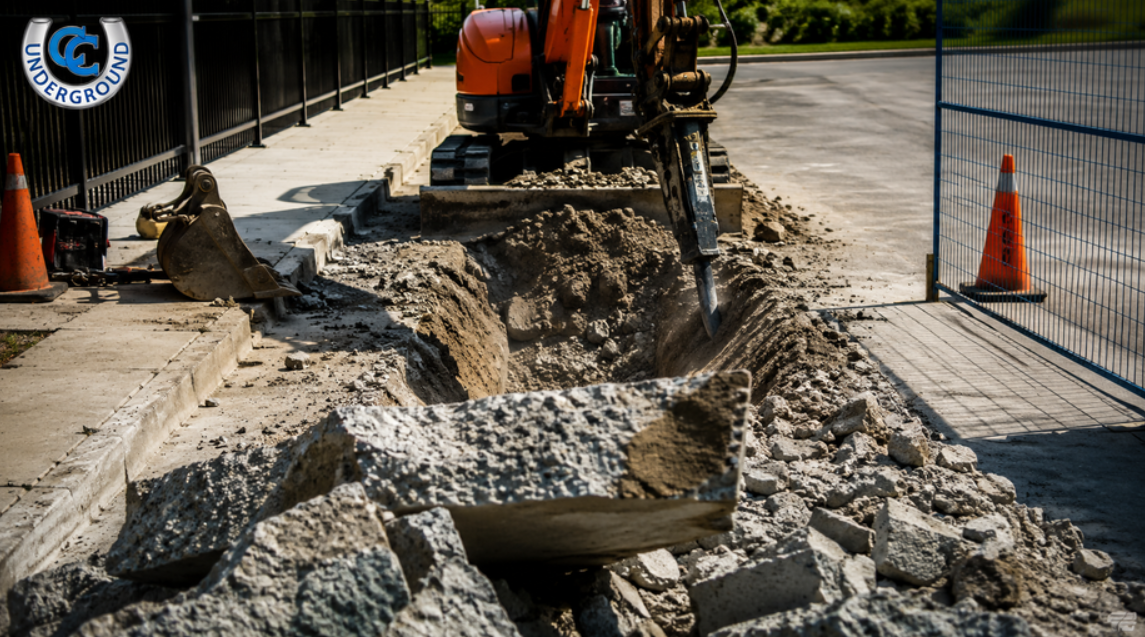

Excavation Safety Requirements Under O. Reg. 213/91

This article is general guidance based on publicly available Ministry of Labour information. It does not replace the Occupational Health and Safety Act, O. Reg. 213/91, or legal advice. Always confirm current requirements with a qualified safety professional or the Ministry directly. Excavation work looks routine right up until it isn’t. Most trench cave ins… Continue reading Excavation Safety Requirements Under O. Reg. 213/91
What Is Utility Ploughing? How It Works and When to Use It

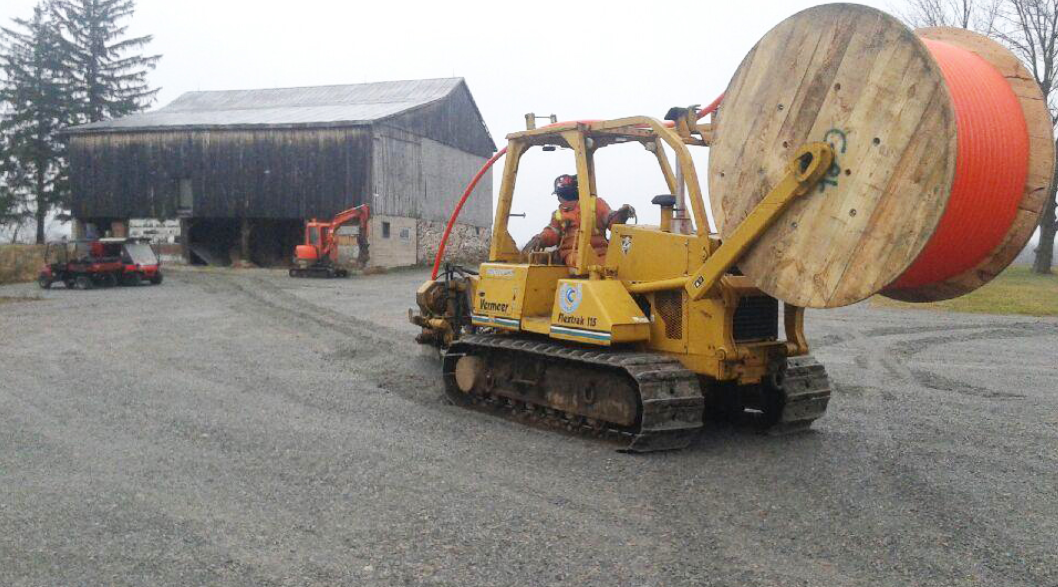
Utility ploughing is a method of underground utility installation that uses a hollow vibrating blade attached to tracked or wheeled equipment to cut through soil and simultaneously place pipe or cable at the required depth. No trench is opened, no soil is removed, and the surface above the installation line is left with minimal disturbance… Continue reading What Is Utility Ploughing? How It Works and When to Use It

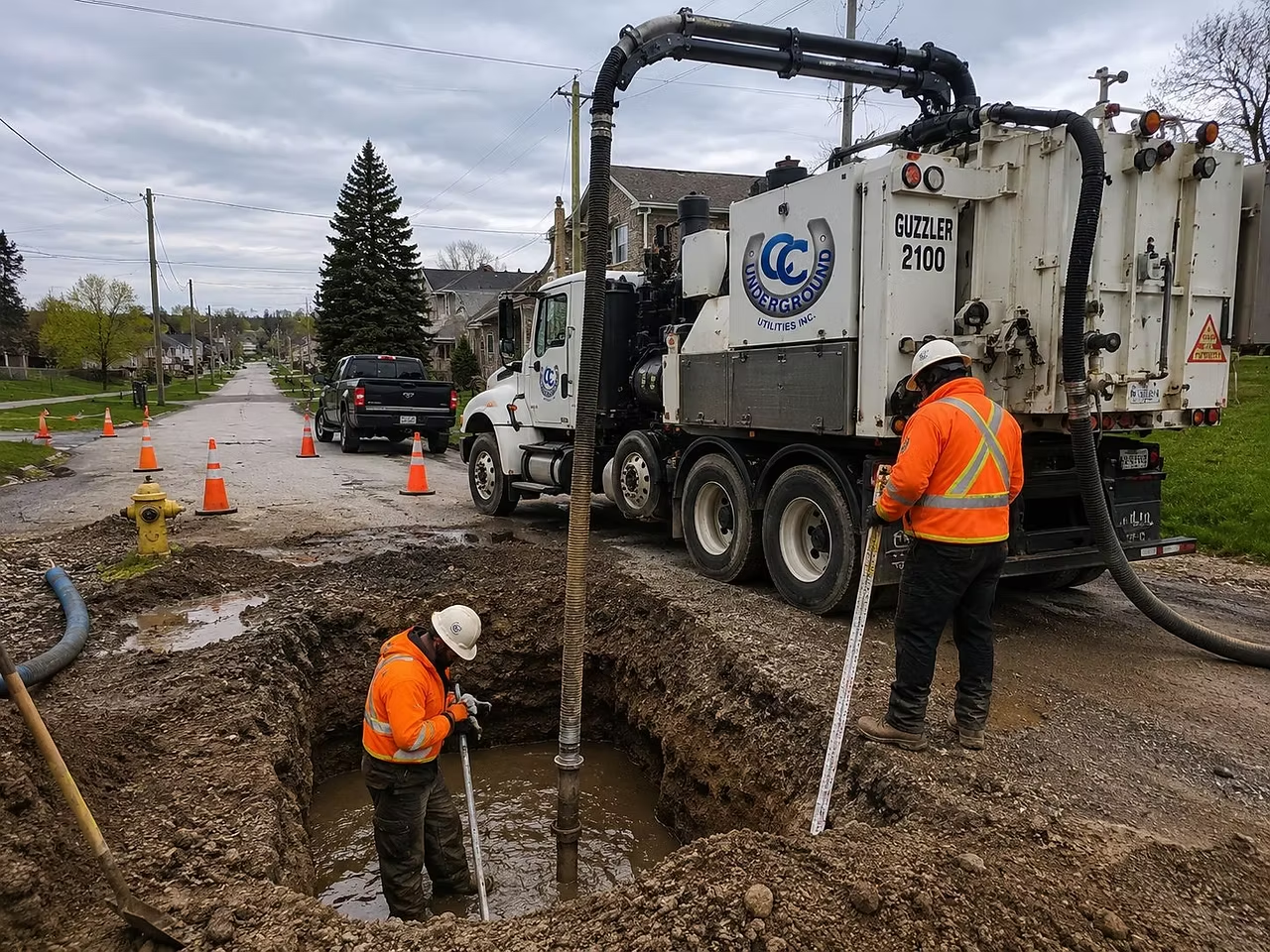
How Hydrovac Excavation Works and When to Specify It

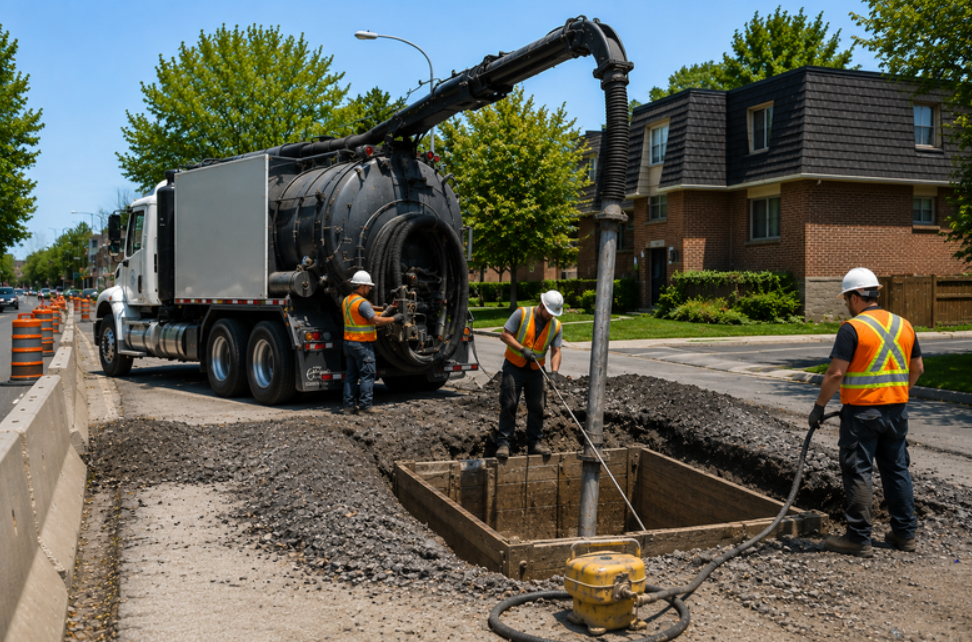
Key Takeaways Hydrovac excavation works by using high-pressure water to break up and liquefy soil while an industrial vacuum simultaneously removes the slurry into a truck-mounted debris tank. No mechanical equipment contacts the ground. That is what makes it the standard method for excavating around buried utilities, in frozen ground, and on contaminated sites across… Continue reading How Hydrovac Excavation Works and When to Specify It

What Is Trenchless Technology? Methods, Applications, and How to Choose the Right Approach in Ontario

What Is Trenchless Technology? Underground utility work in Ontario does not have to mean tearing up roads, disrupting traffic, and spending weeks on surface restoration. Trenchless technology offers a faster, less disruptive alternative, and understanding how it works can help municipalities, contractors, and utility providers specify the right method for their next project. Trenchless technology,… Continue reading What Is Trenchless Technology? Methods, Applications, and How to Choose the Right Approach in Ontario

What Is Hydrovac Excavation? Applications, Process, and Ontario Requirements

Key Takeaways  • Hydrovac excavation uses high-pressure water to break up soil and an industrial vacuum to remove it into a truck-mounted debris tank. No mechanical equipment contacts the ground. • It is the standard excavation method for scopes where buried infrastructure is present and mechanical digging would create unacceptable damage risk. • Applications include slot trenching,… Continue reading What Is Hydrovac Excavation? Applications, Process, and Ontario Requirements

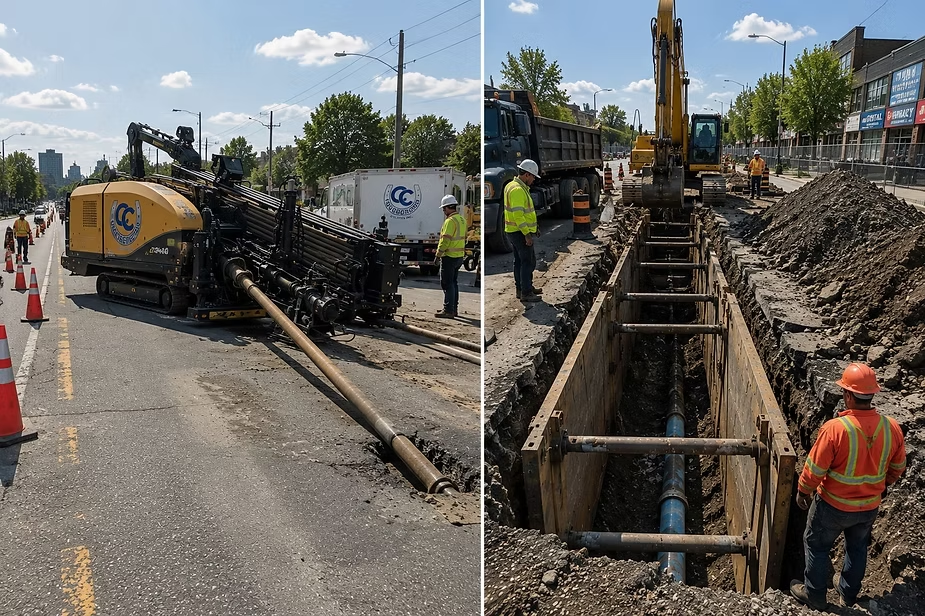
Trenchless vs. Open-Cut Construction in Municipal Tenders: How to Specify the Right Method

Key Takeaways  • Open-cut per-foot installation cost is often lower, but total project cost frequently favours trenchless once restoration, traffic control, and excess soil management are factored in. • Ontario’s O. Reg. 213/91 imposes escalating safety requirements for open-cut excavations beyond 1.2 metres deep, including shoring, engineered support systems, and professional engineer involvement at 6 metres.•… Continue reading Trenchless vs. Open-Cut Construction in Municipal Tenders: How to Specify the Right Method

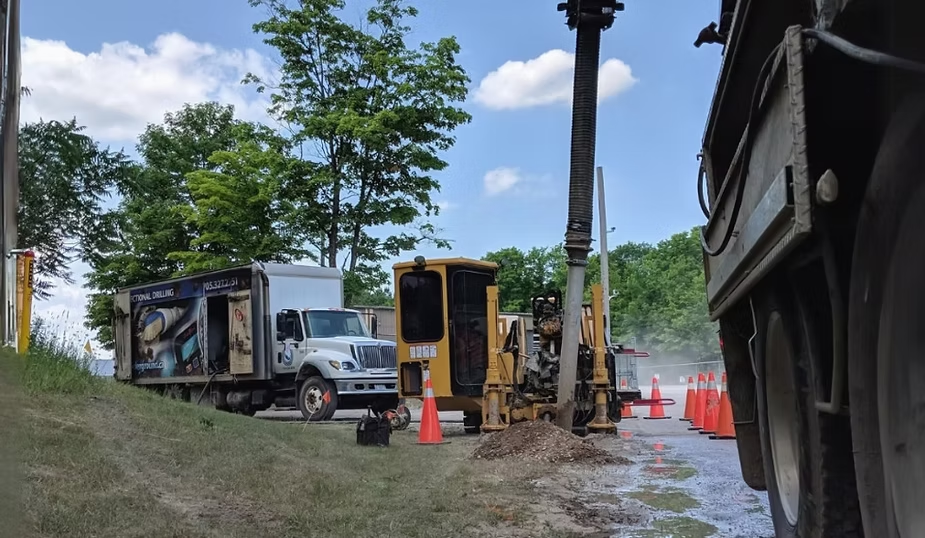
How Horizontal Directional Drilling Works: The 3-Stage HDD Process

Key Takeaways • Horizontal directional drilling (HDD) installs underground utilities in three stages: pilot bore, reaming, and pullback. Each stage serves a distinct function and requires different equipment configurations. • The pilot bore is steered using a sonde transmitter tracked by a walkover locating system, allowing the operator to navigate around existing utilities and maintain the designed… Continue reading How Horizontal Directional Drilling Works: The 3-Stage HDD Process